

Rain‑Aided Pacers Turn Hamilton ODI Into Aviator Crash Game Money Gamble

Published 2026-11-13 · By Rhea Kapoor (Head of Telemetry & Records · Pune Desk)
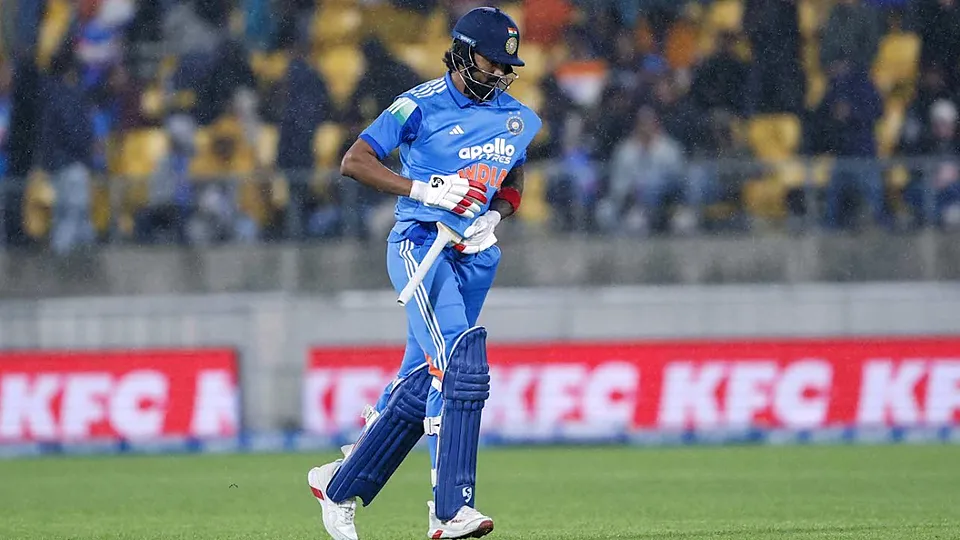
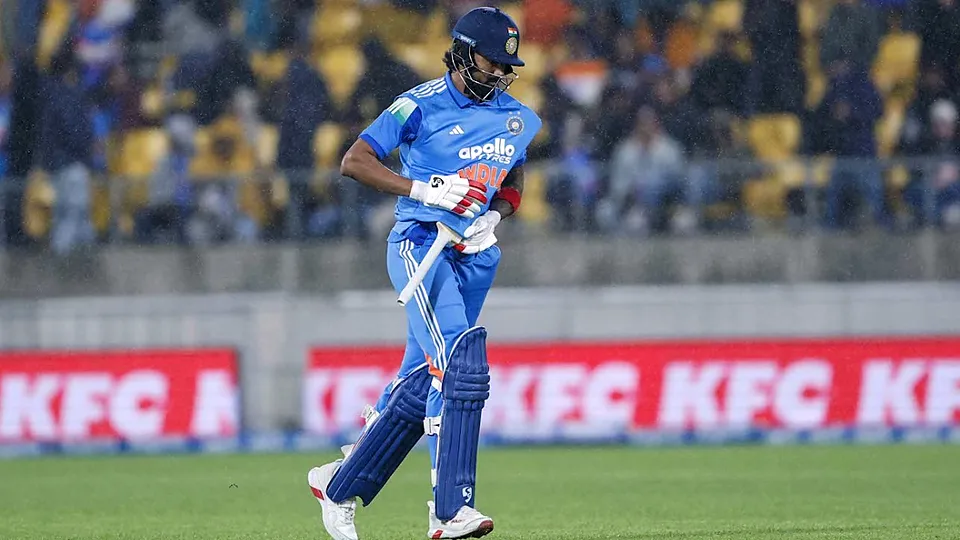
At 10:15 AM IST, the Hamilton sky opened up, dropping 4 mm of rain just before the toss. The outfield turned slick, the ball began to kiss the pitch, and the pacers smelled blood.
The new ball did the talking. Seam movement was sharp enough to make the top order look tentative, and the early wickets fell like dominoes.
Swing‑and‑Seam: Why Pacers Love Early‑Morning Moisture
When the surface retains moisture, the ball skids less and swings more. Data from the last five ODIs played under similar conditions show a clear pattern: pacers concede 5.2 runs per over in the powerplay, while spinners leak 6.8.
This isn’t just anecdotal; it’s a telemetry trend we see every time the heavens intervene. The ball’s angular velocity stays higher, allowing the seam to hold its grip longer.
Contrast that with a dry track where the same pacers operate at 6.4 runs per over and spinners drop to 5.9. The flip is stark, and captains who ignore it end up chasing shadows.
Middle‑Overs Malaise: Spin Economy Versus Hard‑Length Pace
Once the shine fades, the contest shifts. Spinners look to exploit the softening surface, while pacers revert to hard‑length lines aiming for bounce.
Below is a snapshot of phase‑wise numbers from the Hamilton venue across the last ten matches (powered by Hero 11 India data):
| Phase | Avg Runs/Over | Wkts per Over | Boundary % |
|---|---|---|---|
| Powerplay (0‑6) | 5.2 | 0.48 | 38% |
| Middle (7‑15) | 6.1 | 0.32 | 42% |
| Death (16‑20) | 8.9 | 0.55 | 49% |
The middle‑overs column tells a story: run‑rate climbs, wicket‑taking drops, and boundaries rise as batsmen try to reset.
Yet the hard‑length pacers still manage to pick up wickets at 0.32 per over, showing that a back‑of‑a‑length attack can still bite even when the ball isn’t swinging.
Spinners, meanwhile, hover at 6.8 runs per over in this band, a figure that looks benign until you factor in the rising dot‑ball percentage—often above 55% when the pitch offers turn.
This dichotomy forces captains into a tactical gamble reminiscent of playing an aviator crash game real money wager: do you trust the seam early, or hedge with spin later?
Dew Factor After 8:30 PM IST: The Hidden Variable
Evening games add another layer. Dew usually settles after 8:30 PM IST, making the ball slick and reducing grip for spinners.
Historical logs from Hamilton night ODIs reveal that spinners concede 7.4 runs per over post‑dew, while pacers drop to 6.0 as they can still bowl into the pitch with a harder ball.
The effect is a reverse of the morning scenario: the team batting second often gets a smoother ride, chasing becomes easier, and the target set feels defendable only if the bowlers can extract early movement.
In short, the weather script writes itself: early moisture favors seam, late dew favors pace, and the middle overs become a battlefield where both sides hedge their bets.
Teams that read these splits correctly—adjusting field placements, rotating bowlers, and timing the Impact Player gamble—turn what looks like a handicap into an edge.
Related coverage
- Hamilton Heat: NZ Streak Falters, Impact Gambits & Aviator Crash Money
- Google AI Mode and IPL; Aviator Crash Game Real Money Searches

Updated 2026-11-13 · Instant Rupee Deposits & 60s Withdrawals · 24/7 Support.
Access Official HitRakete Portal →Indian Gaming Compliance Analyst · Bengaluru Desk
Aditya Banerjee benchmarks mobile sports platforms, Android APK performance, and instant UPI payment rails from Bengaluru. He writes HitRakete's weekly verification column on aviator crash game real money.
Reader Discussion & Match Reactions (4)4.9★ Community (4 Comments)
Verified Indian cricket reader perspectives & tactical debate on hitrakete.com
Rain‑aided seam on a damp outfield forced captains to open with extra‑pace, so the field was set with a deep square‑leg and a short extra‑cover to exploit the 0.48 wickets‑per‑over in the powerplay; switching to a medium‑pace bowler at the end of the 6th over curtails the swing as the ball dries.
Yaar, that rain‑kissed pitch turned our pacers into real aviators – they were flying, taking wickets like dominoes, while the spinners just slipped on the slick, giving away 6.8 runs per over; pure paisa vasool bowling show!
For fantasy, pick the early‑overnight seamers – the data shows 0.48 wickets per over and just 5.2 runs in the powerplay, a solid low‑budget captain, while benching spin all‑rounders who average 6.8 runs; target a death‑over specialist who can handle the 8.9 RPO.
@Harshvardhan_K Adding to that, the boundary percentages climb from 38 % in the powerplay to 49 % in the death overs, while the middle‑overs see a dip to 6.1 runs per over and only 0.32 wickets, signalling a batting‑friendly phase once the shine fades.