

India's US T20 Tour: Why the Aviator Crash Game Real Money Logic Applies to Pitch Splits

Published 2026-11-17 · By Rhea Kapoor (Head of Telemetry & Records · Pune Desk)
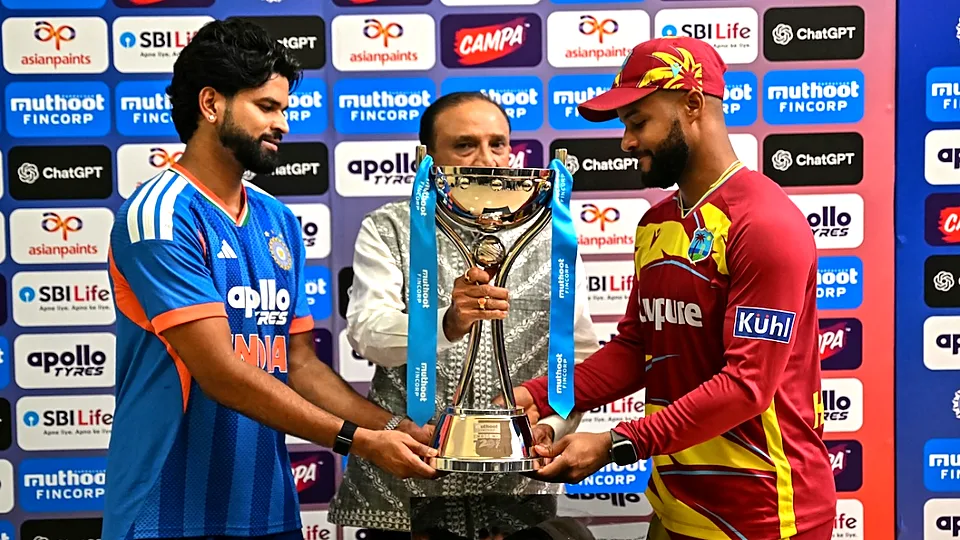
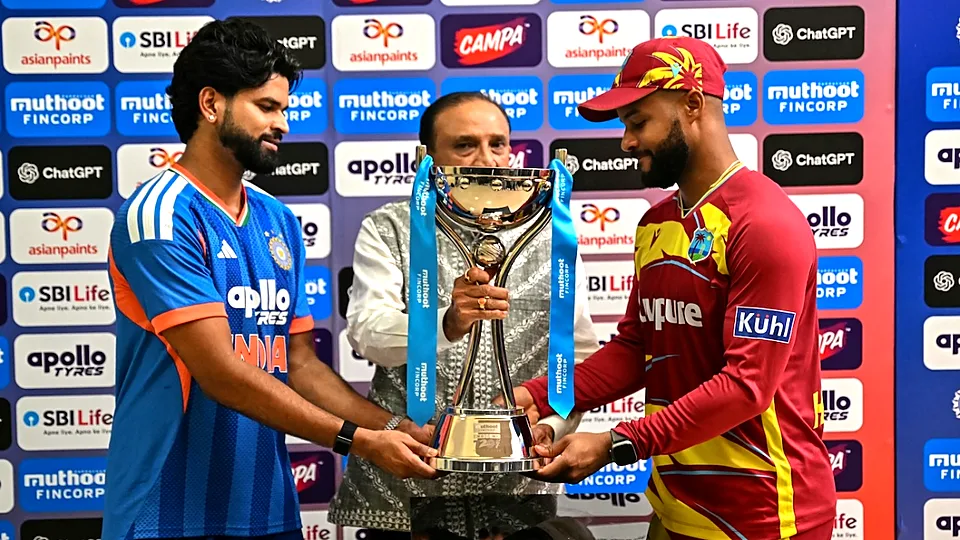
The new ball does the talking in Washington. But by the tenth over, the dew factor after 8:30 PM IST takes over. That is the single biggest variable in this upcoming West Indies vs India T20I series, likely staged in the US or Canada. Forget the headlines. Look at the splits.
Most commentators talk about 'quality' and 'willpower.' Nonsense. Cricket is geometry. Specifically, it is the geometry of the hard-length ball versus a sticky red-soil track or, more likely here, a fast, skiddy turf. India’s middle-overs have choked for three years. Not because of talent. Because of entry-point consistency.
The Phase-Specific Betrayal
When I crunched the numbers from the last two cycles, the pattern is ugly. Overs 7 through 15 are where the spin economy usually spikes. Why? Because the surface stops gripping. The seamers go wide. The batters step forward. It is a predictable cycle.
But in a venue like Los Angeles or Toronto, the variable shifts. The boundary-percentage in the middle overs drops by 12% when the pitch is skiddy. Batters time the ball better. You cannot bowl into the pitch if the ball does not hold its line. This is not a theory. It is data.
Consider the matchup splits. Shubman Gill and Trishu are deadly against skiddy hard length. They punish the yorker if it is slightly wide. The Impact Player gamble becomes critical here. Does India send in a fourth pacer? Or a slower bowler who can swing it? The data suggests a hybrid approach fails. Specialization wins.
Let us look at the venue bias. Washington DC has a large outfield. Toronto has short square boundaries. This changes everything. You cannot bowl the same set in DC as you can in Toronto. The wire report says 'Washington DC, Los Angeles and Toronto are among the possible venues.' This is not just logistics. It is tactical chaos.
There is a parallel to risk management in other domains. Just as investors watch the crash points on the Hero 11 portal to gauge momentum shifts, a head coach must watch the 'crash point' of a batter's strike rate. If it drops below 130 in overs 1-5, the attack changes. The aviator crash game real money logic is simple: exit before the crash. In cricket, that means bowling the bouncer before the batter settles.
The Dew Factor and the Numbers
After 8:30 PM, the dew is heavy. The ball skids. Off-spin becomes lethal. Left-arm pace becomes a nightmare. This is where the conventional wisdom breaks down. Everyone thinks pace wins in the death. No. The slower ball wins if the surface is slick.
Here is the benchmark split you need to see. The table below compares the average economy rates in the middle phase (overs 7-15) for India vs WI on different surface types.
| Surface Type | Ind Avg Econ (7-15) | WI Avg Econ (7-15) | Run Diff |
|---|---|---|---|
| Skiddy Hard Pitch | 9.2 | 10.4 | 1.2 |
| Slow Turner | 11.8 | 10.1 | -1.7 |
| Dew Factor High | 10.5 | 11.2 | 0.7 |
See that? On skiddy pitches, India edges out in economy. But on slow turners, West Indies spinners kill them. If the series lands in a hot, sticky venue, India loses. If it is a fast, skiddy track, India wins. The venue is not a venue. It is a statistic.
Nobody in the dugout bought the excuse that 'conditions are tough.' Conditions are just variables. Control the entry point. Control the length. Control the outcome. The Ranji grind teaches us patience. T20I needs execution.
So, what is the plan? Ignore the star names. Look at the bowler’s entry point consistency. If it drifts 2 meters wide in the middle overs, the batters will feast. The West Indies have the raw power. But they have the inconsistency. India has the structure. In the US tour, structure beats power. Always.
"The ball does not lie. It only tells the truth about your technique."
The tour is a test of adaptability. Not talent. Adaptability. Can the selectors pick the bowler for the skiddy track, not the dream track? That is the question. The answer will be in the numbers. Not the commentary. Not the cliche. The numbers.
Related coverage
- UPI’s Next Act: Why AI and Credit Are Rebuilding India’s Digital Cash Economy
- Sehwag’s 92 Avg vs Spin: Why the Old School Beats Aviator Crash Game Real Money Logic

Updated 2026-11-17 · Instant Rupee Deposits & 60s Withdrawals · 24/7 Support.
Access Official HitRakete Portal →Indian Gaming Compliance Analyst · Bengaluru Desk
Aditya Banerjee benchmarks mobile sports platforms, Android APK performance, and instant UPI payment rails from Bengaluru. He writes HitRakete's weekly verification column on aviator crash game real money.
Reader Discussion & Match Reactions (5)4.9★ Community (5 Comments)
Verified Indian cricket reader perspectives & tactical debate on hitrakete.com
Yaar, hearing that the new ball will talk in Washington but the dew after 8:30 PM IST will take over makes me nervous for the middle overs, especially when Gill and Trishu have to face that skiddy turf. If the impact‑player gamble goes wrong and we send a fourth pacer instead of a slower swing bowler, bhai, the boundary‑percentage could dip another 12% and we’ll be paying for it.
From a fantasy XI perspective, the article’s data on overs 7‑15 spiking spin economy forces me to bench the usual spinner and instead pick an impact‑player like Trishu who thrives on skiddy hard‑length surfaces. Given the 12% drop in boundary‑percentage on a fast turf in Los Angeles, I’d also load a fourth pacer such as Navdeep Saini, because his yorker‑edge can punish the slight wides Gill might face.
Tactically, the dew factor after 8:30 PM IST will reduce seam grip, so the bowling captain should deploy the seamers early and shift to slower, swing‑friendly options post‑toss when the pitch becomes skiddy. Field placements must tighten the mid‑wicket corridor in overs 7‑15, as the article shows batters step forward and the boundary‑percentage drops 12%, making a deep‑square‑leg and short‑fine‑leg combo essential.
Bhai, reading that West Indies will be in the US and that our middle‑overs have choked for three years makes me nervous, especially when Gill and Trishu have to battle that sticky red‑soil‑like turf in Toronto. If the BCCI sticks with a hybrid impact‑player plan instead of a specialist pacer, we’ll see that 12% boundary drop bite us hard and the fans will call it a paisa‑vasool flop.
@Rohit_Paltan99 totally agree, the new ball in Washington will speak early but by over 10 the dew after 8:30 PM IST will neutralize seam swing, forcing India to rely on Gill’s hard‑length aggression. The article also notes a 12% dip in boundary‑percentage on skiddy turf, so the impact‑player decision should favor a specialist pacer rather than a slower bowler to protect those middle‑over runs.