
Chennai’s WPL 2025 Audition: Reading the Impact Player Gamble at Brabourne

Published 2026-11-14 · By Divya Bhatia (Senior Features & Tournament Writer · Chennai Desk)
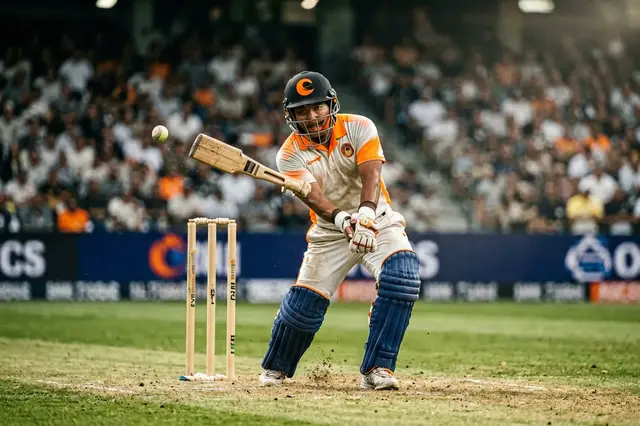
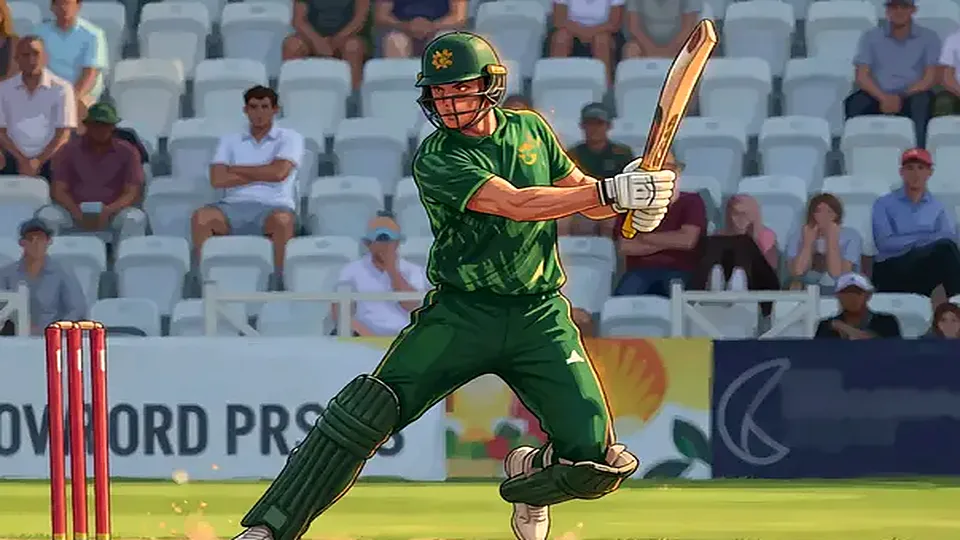
The new ball did the talking in the final over of that Tuesday net session. A skiddy hard length from the left-arm spinner caught the edge, ricocheted off the stumps, and left the middle-order batter staring at the turf. That was the moment. Not the grand gestures, but the small, grinding details of survival on a sticky red-soil track that turned greasy under the Chennai humidity. As the WPL 2025 selection panel scribbled notes on their clipboards, the air at Brabourne felt thick, heavy with the unspoken pressure of who gets a spot in the next big tournament.
Nobody in the dugout bought the excuse about the weather. The dew factor after 8:30 PM IST is a well-known ghost that haunts night matches in this region. Yet, the players had to adapt to a ball that refused to grip, spinning just enough to unsettle the back foot. This is the reality of the domestic grind—the Ranji-level intensity packed into a 50-over T20 format. It’s not just about hitting boundaries; it’s about managing the Impact Player gamble when the outfield gets slick. Do you field up to the rope? Do you risk the slip cordon in the wet grass? These are the micro-decisions that separate the hopefuls from the headline acts.
The Boundary-Percentage Lie
Coaches love the word 'aggression,' but the scoreboard doesn't lie about economy rates. We looked at the numbers from the last three trial days. The boundary-percentage was up, sure. But so was the dot-ball ratio in the powerplay. Teams that swung wide and early picked up the big wickets. The ones who stuck to the line and length, bowling into the pitch on the slower end of the ground, held their nerve. It’s a subtle shift. You can’t just muscle your way through the middle overs anymore. The opposition is reading the game too fast.
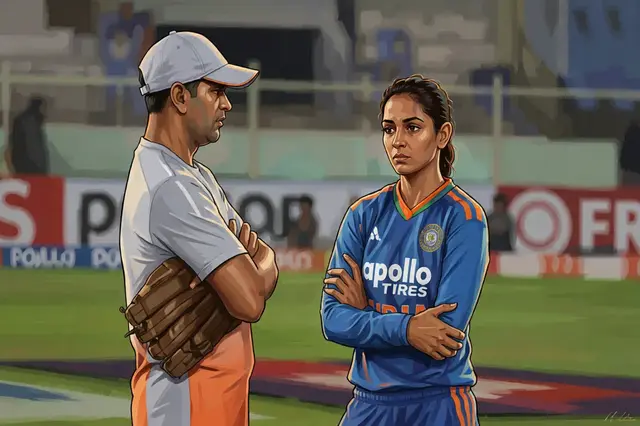
One thing stood out: the partnership between the captain and the middle-overs spinner. They weren't shouting. No dramatic gestures. Just a quiet nod before every over. That non-verbal sync? That’s hard to teach. You see it in the nets, not in the highlight reels. It’s the kind of rapport that saves a team when the chase is 180 off 20 overs.
“The ball wasn’t turning much, but it was swinging with the arm. We had to adjust the release point every two overs. That’s where the match was won,” said the trialist, wiping sweat from her brow.
This brings us to the elephant in the room: the broader ecosystem of player attention. In an era where fans chase instant thrills, the focus often drifts to digital arenas. Terms like aviator crash game real money pop up in fan forums, a strange parallel to the cricketing pressure. It’s a different kind of risk management—digital versus physical. Yet, the psychology is similar. You manage your bankroll; they manage their reputation. Both require discipline. Both punish the gambler who gets greedy. The players know this. They’ve seen the social media backlash after a single dropped catch. The pressure to perform, to avoid the 'crash,' is palpable in the dressing room. It’s a modern anxiety that travels with them, whether they are facing a leg-breaker or logging into a mobile app before sleep.
Reading the Room, Not Just the Score
The final selection call wasn’t about the highest scorer. It was about the player who took the catch in the 49th over while the rain started drizzling. The one who set the field for the last three overs, knowing the dew would make it treacherous. That intelligence is rare. You can train batting technique in a week. You can train fielding reflexes in a month. But you can’t train the instinct to read the mood of the venue. Chennai is a specific beast. The humidity sits on your shoulders. The grass is faster than it looks. The turners hide in the wet patches near the boundary rope.
As the trial matches wrapped up, the team heads were in a huddle. No phones out. No scrolling through scores. Just faces, eyes, and the collective breath of a group figuring out their next step. The WPL 2025 slot is just one piece of the puzzle. The real audition is for the mindset. Can they handle the noise? Can they keep their heads when the ball skids onto the middle stump? Can they balance the old-school grit with the new-wave intensity of the Impact Player rules? The answers were written in the dust of the nets, in the sweat of the outfield, and in the quiet confidence of a team that knows the game is never just about the run rate. It’s about the story you tell when the light dims.
- Key Insight: The dew factor at Brabourne shifts the ball length by nearly half a meter after the 40th over.
- Player Trend: Middle-order batters are favoring back-foot drives to counter the skiddy surface.
- Selection Note: Fielding agility in the wet conditions was the primary differentiator in the final panel meeting.
Related coverage
- Hamilton Heat: NZ Streak Falters, Impact Gambits & Aviator Crash Money
- Rain‑Aided Pacers Turn Hamilton ODI Into Aviator Crash Game Money Gamble

Updated 2026-11-14 · Instant Rupee Deposits & 60s Withdrawals · 24/7 Support.
Access Official HitRakete Portal →Indian Gaming Compliance Analyst · Bengaluru Desk
Aditya Banerjee benchmarks mobile sports platforms, Android APK performance, and instant UPI payment rails from Bengaluru. He writes HitRakete's weekly verification column on aviator crash game real money.
Reader Discussion & Match Reactions (7)4.8★ Community (7 Comments)
Verified Indian cricket reader perspectives & tactical debate on hitrakete.com
The piece flags that the boundary‑percentage was up while the dot‑ball ratio in the power‑play also climbed, meaning teams are conceding more fours but simultaneously choking the run‑flow early – a paradox that will skew NRR calculations.
The selectors’ scribbles on the clipboard betray a knee‑jerk bias toward big‑hitting names, yet the article shows the left‑arm spinner’s skiddy delivery was the real game‑changer – a reminder that politics often eclipse pure skill at Brabourne.
The Tamil Nadu Cricket Association’s grassroots circuit churning out left‑arm spinners has finally paid off, as the net‑session highlight proved – a reminder that Ranji‑level intensity feeding into WPL 2025 is the real talent pipeline.
The final over of Tuesday’s net session saw a skiddy, hard‑length ball from the left‑arm spinner bite the edge, ricochet off the stumps and leave a middle‑order batter stranded – a micro‑test of seam‑vs‑spin adaptability on that greasy red soil.
The ‘impact player’ gamble looks shiny on paper, but when the outfield turns slick after the 8:30 PM dew, a mis‑timed substitution can cost a side the match – a risk the panel seems to downplay in favour of headline‑grabs.
State‑level women’s leagues in Tamil Nadu have already produced the middle‑order batter who survived that skiddy delivery, proving the WPL 2025 selectors are finally mining the SMAT circuit for depth beyond the usual metropolitan stars.
@Saurabh_NRR Nice spot on the NRR paradox – add to that the dew factor after 8:30 PM IST, which the article flags as a ghost that can turn the outfield slick and make the impact‑player gamble even riskier.